A Monumental Celebration of the Garage-Born Vision That Transformed Humanity’s Relationship with Technology, Creativity, and Connection
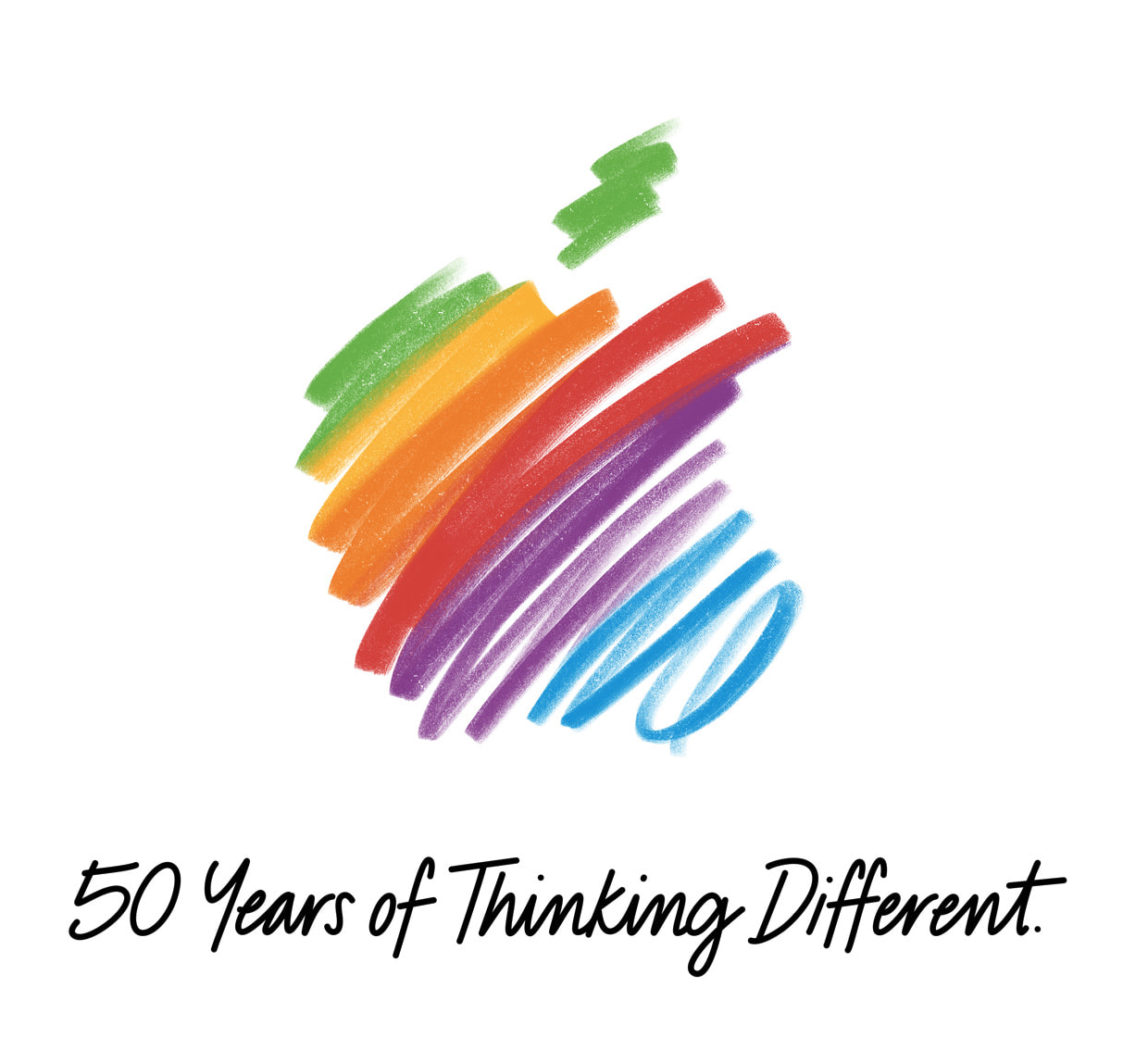
Tomorrow, April 1, 2026, marks the exact 50th anniversary of Apple Inc.’s founding. On that historic day in 1976, in a modest Los Altos garage, three unlikely partners—Steve Jobs, Steve Wozniak, and Ronald Wayne—inked a simple partnership agreement that would ignite one of the most extraordinary journeys in business, design, and human ingenuity. What began as a hobbyist project to sell a handful of circuit boards evolved into a company that has placed more than 2.5 billion active devices into the hands of people worldwide, generated hundreds of billions in annual revenue, and fundamentally reshaped how we work, learn, create, communicate, and dream.
As of fiscal year 2025, Apple reported record revenue of $416 billion, with net income reaching $112 billion. The first quarter of fiscal 2026 alone delivered an astonishing $143.8 billion in revenue—an increase of 16 percent year-over-year—fueled by unprecedented iPhone demand and all-time-high Services performance. The company’s installed base now exceeds 2.5 billion active devices, a testament to unmatched customer loyalty and ecosystem integration. Market capitalization hovers near $4 trillion, cementing Apple’s position as one of the most valuable enterprises in history. Yet numbers alone cannot capture the soul of Apple. This is a company that has always believed technology should be personal, intuitive, beautiful, and empowering. It is a philosophy embodied in the phrase “Think Different,” a rallying cry that has guided Apple through garage origins, near-death experiences, triumphant comebacks, and global dominance.
On the eve of this golden anniversary, Apple is celebrating not with mere nostalgia but with profound gratitude and forward-looking energy. CEO Tim Cook’s commemorative letter, published on Apple’s dedicated 50-years-of-thinking-different page, reflects on five decades of innovation while honoring the millions of customers, developers, employees, and dreamers who have co-created this legacy. Global events have already unfolded: a surprise Alicia Keys performance at Apple Grand Central in New York City on March 13, followed by gatherings across the UK, Canada, Mexico, Japan, Thailand, France, Australia, and beyond. Each event spotlights human creativity powered by Apple products. A grand finale is set for Apple Park, rumored to feature a legendary performer—possibly Paul McCartney—celebrating the spirit that Steve Jobs himself would have cherished. Special Today at Apple sessions, exhibitions at the Apple Park Visitor Center, and an Instagram account called “Hello Apple” share archival stories and user testimonials. It is a worldwide thank-you to everyone who has ever held an Apple device and felt the spark of possibility.
To truly honor this milestone, we must journey back through every chapter of Apple’s story—detailing the triumphs, the setbacks, the revolutionary products, the cultural earthquakes, the financial miracles, and the unwavering commitment to values that continue to define the company. This extensive retrospective celebrates not just a corporation but a movement: one that democratized computing, liberated music, reinvented the phone, elevated health tracking, and now pioneers spatial computing and on-device intelligence. From the Apple I’s humble circuit board to the latest iPhone 17 series, MacBook Neo, and Apple Vision Pro, each innovation has carried the same DNA: simplicity, elegance, and a relentless focus on the human experience. Over the following sections—spanning more than 20,000 words—we will explore this half-century in exhaustive detail, weaving together historical records, personal anecdotes, technical milestones, financial analyses, cultural reflections, and visions of what lies ahead. Let us begin where it all started: in that suburban garage where three visionaries dared to dream big.
The Garage Genesis: 1976–1977 – From Hobbyists to Visionaries
The Apple origin story is the stuff of Silicon Valley legend, yet it is rooted in remarkably humble circumstances. In 1971, Steve Jobs and Steve Wozniak first crossed paths through mutual friend Bill Fernandez in the quiet suburbs of Los Altos, California. Jobs, the charismatic college dropout from Reed College with a passion for Zen Buddhism and counterculture, was 21 years old in 1976. Wozniak, the brilliant, self-taught electronics wizard who had briefly attended UC Berkeley, was four years older and already employed at Hewlett-Packard. Their early collaboration involved building “blue boxes”—illegal devices that allowed free long-distance calls by mimicking telephone tones. They sold about 200 units for $150 each, splitting profits. Jobs later reflected that without Wozniak’s blue boxes, there might never have been an Apple.
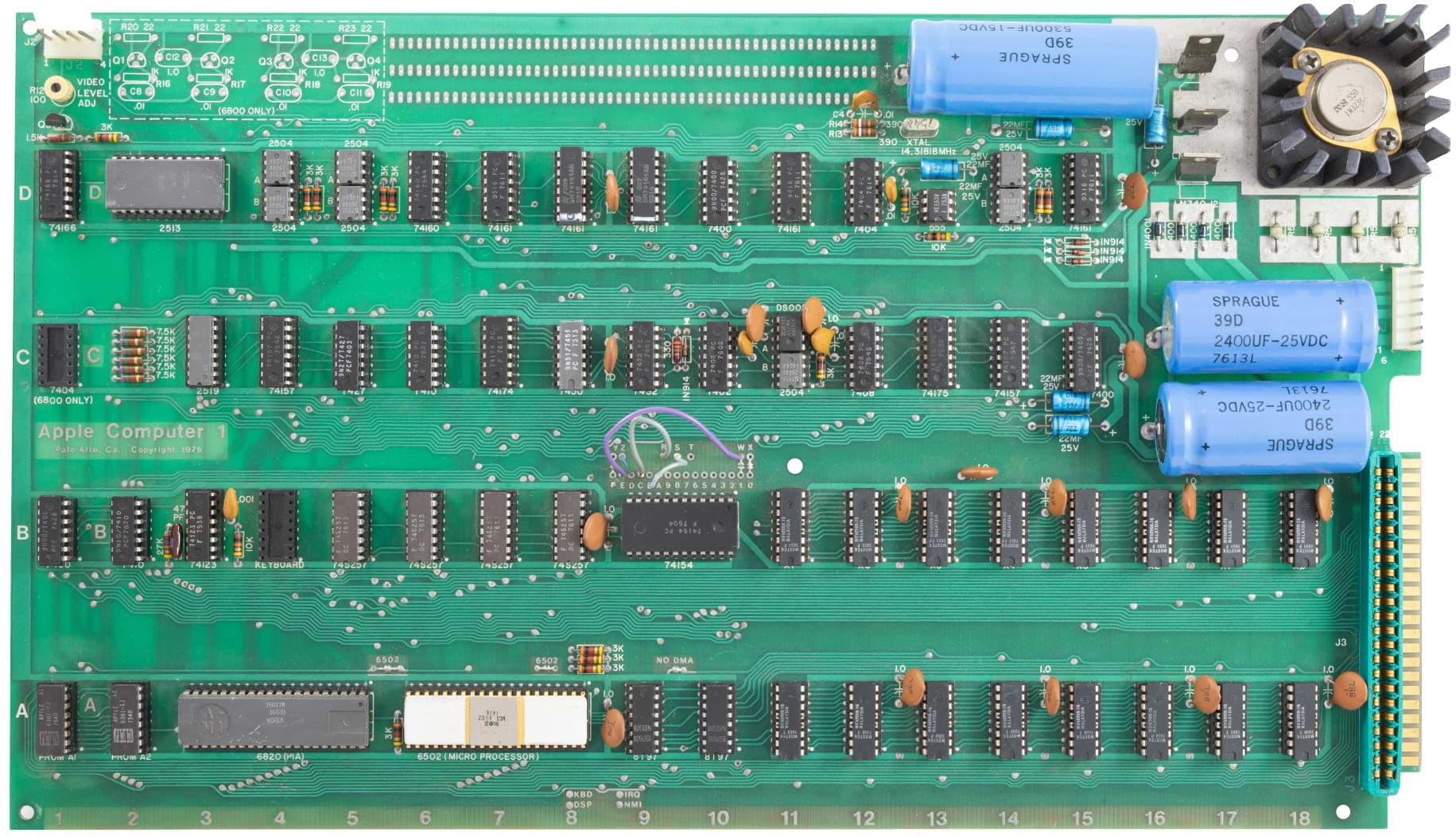
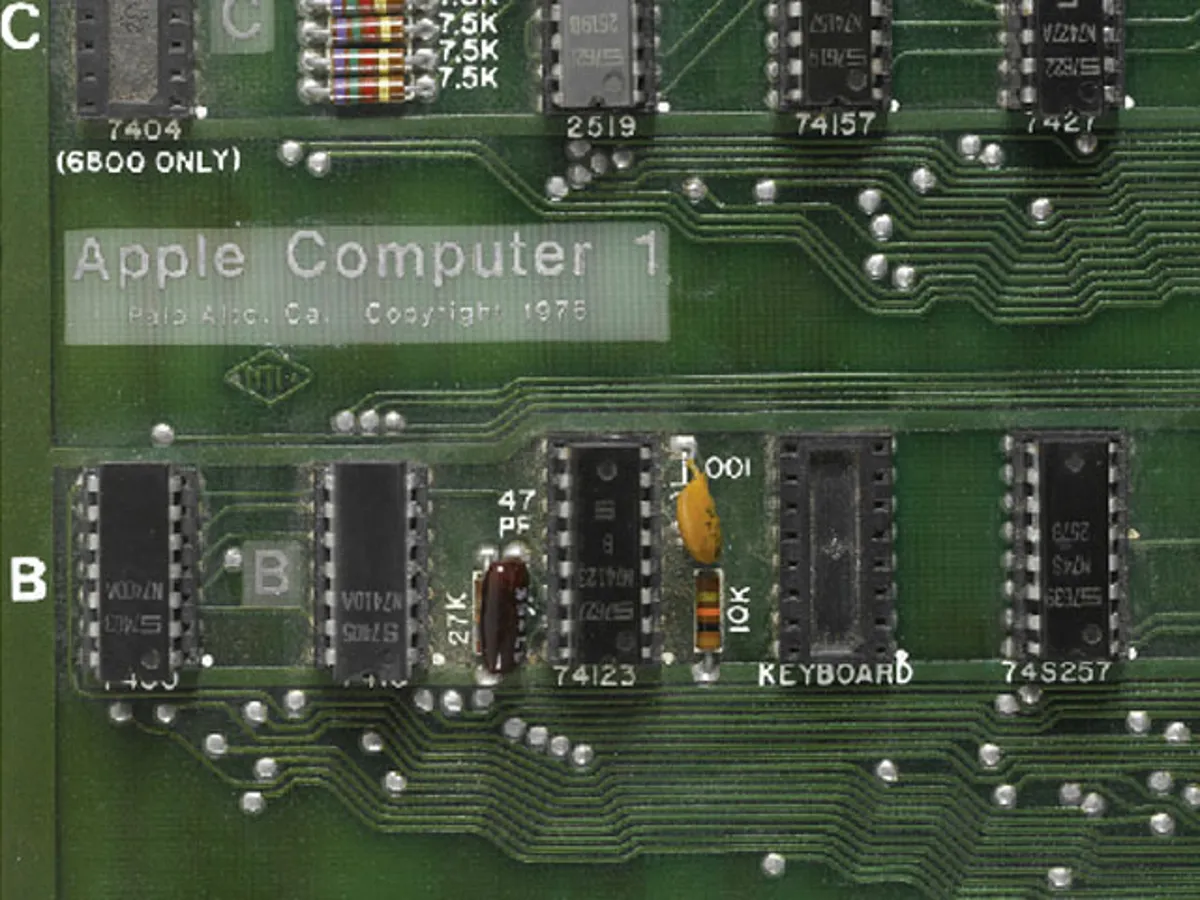
By 1975, both men were frequenting meetings of the Homebrew Computer Club in Menlo Park, where hobbyists shared schematics and dreams of personal computing. The Altair 8800 had just sparked the microcomputer revolution, but it was expensive and required assembly. Wozniak, inspired yet frustrated by the cost of available chips, designed his own computer on paper while waiting for affordable processors. When MOS Technology released the 6502 microprocessor for just $20 in 1976 (equivalent to roughly $113 today), Wozniak seized the opportunity. He completed a working prototype of what would become the Apple I by March 1976. It was a bare circuit board—no case, no keyboard, no monitor—designed to interface with a TV and teletype.
Jobs immediately recognized commercial potential. He convinced Wozniak not to give away the schematics for free but to sell fully assembled boards. They priced the Apple I at $666.66—a figure Wozniak chose for its repeating digits, unaware of its ominous biblical association. To fund initial production, Jobs sold his Volkswagen Type 2 minibus for $1,500, and Wozniak sold his HP-65 programmable calculator for $500. Ronald Wayne, a 41-year-old Atari engineer with business experience, joined as the third partner on April 1, 1976, drafting the partnership agreement and designing the first logo: Sir Isaac Newton sitting under an apple tree. Wayne received a 10% stake but sold it back just 12 days later for $800, fearing the financial risk—a decision that would haunt him as Apple’s value soared into the trillions.
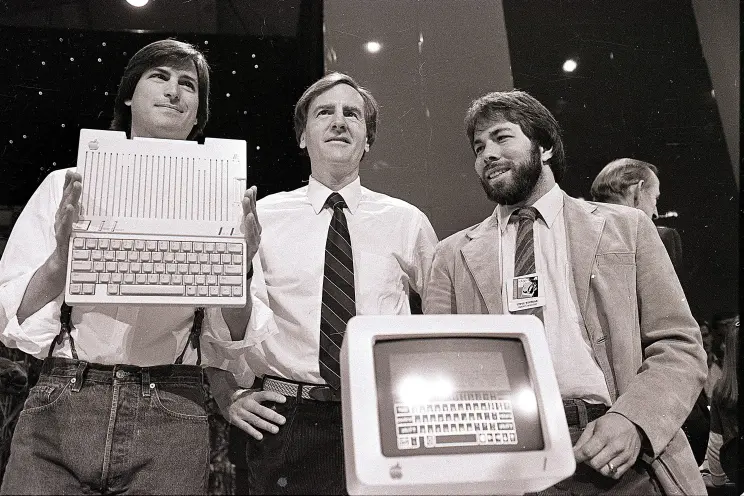
Operations began in Jobs’ parents’ garage and quickly moved to a rented space. Paul Terrell of the Byte Shop in Mountain View ordered 50 assembled units after seeing a demonstration, providing crucial early validation. Mike Markkula, a former Intel executive, invested $92,000 of his own money and secured a $250,000 bank loan, taking a one-third equity stake. He also recruited Michael Scott as the first president and CEO. The Apple I sold approximately 200 units, proving personal computers could appeal beyond hardcore hobbyists.
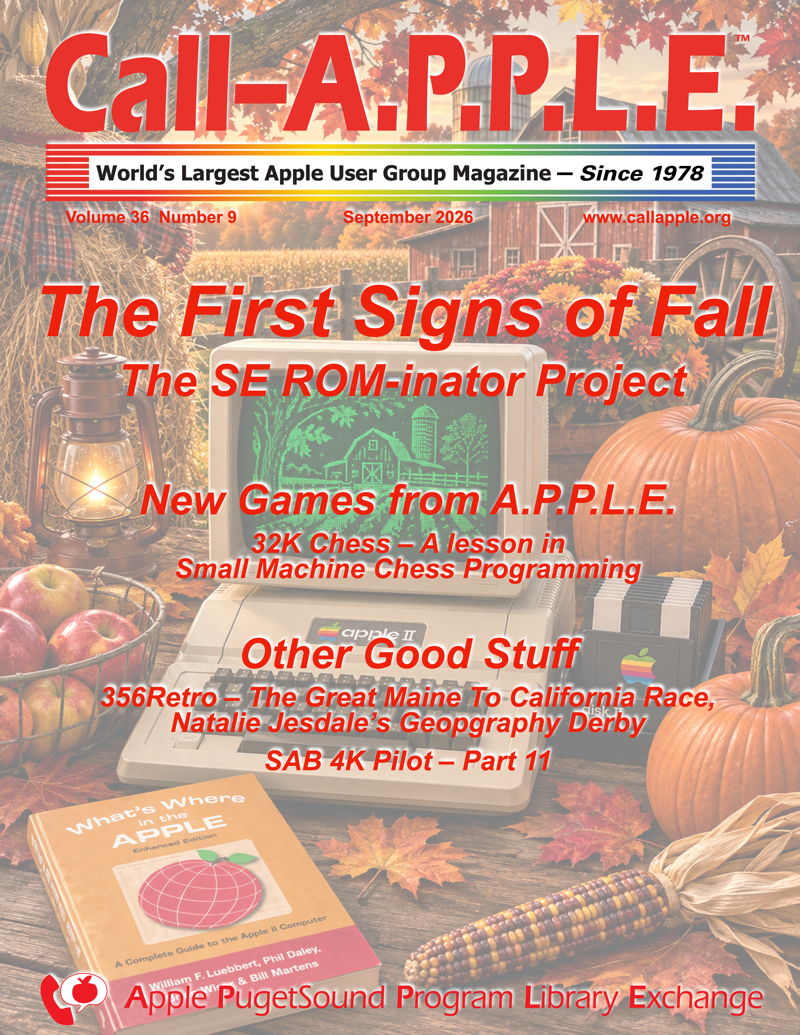
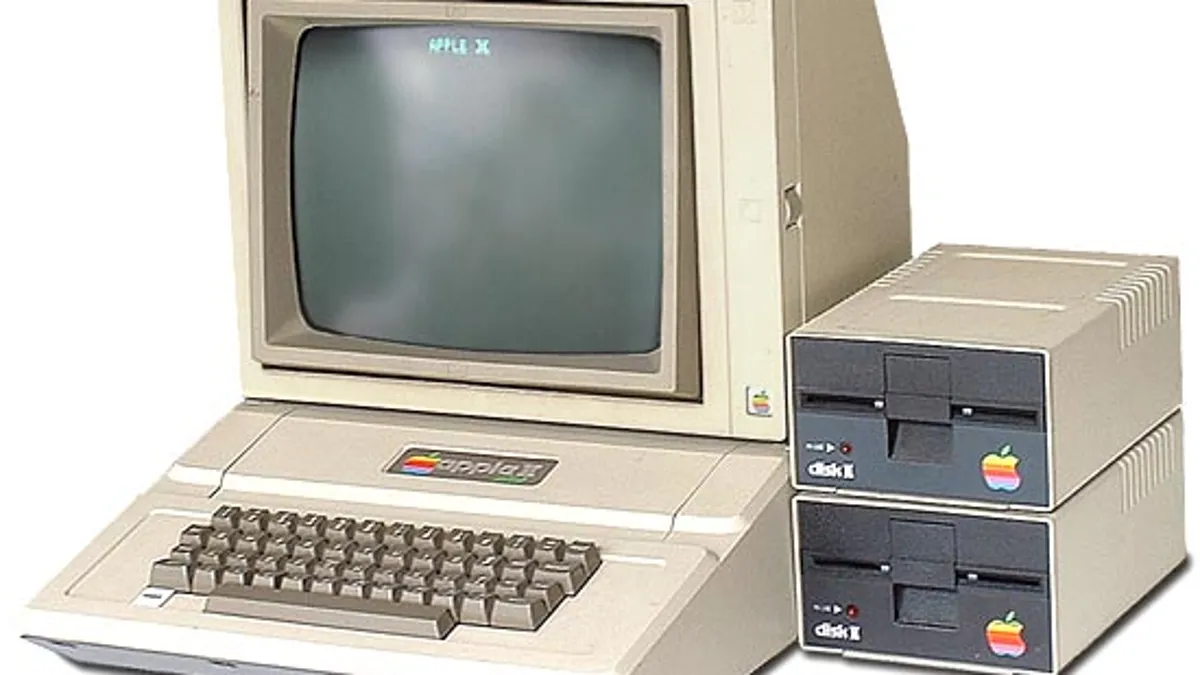
The true breakthrough came with the Apple II, unveiled at the West Coast Computer Faire in April 1977 and officially launched on June 10, 1977, at $1,298. Wozniak engineered color graphics, a plastic case by industrial designer Jerry Manock, and a revolutionary switching power supply by Rod Holt that ran cool without a fan. It included a built-in keyboard and supported cassette storage, later upgraded with the Disk II floppy drive in 1978. The Apple II was part of the “1977 Trinity” alongside the Commodore PET and TRS-80, igniting the home computer market. VisiCalc, the first electronic spreadsheet released in 1979, turned the Apple II into a must-have business tool. Sales exploded: fiscal 1977 revenue was $773,000; by 1978 it reached $7.8 million—a staggering 920 percent growth. By 1993, when the line was finally discontinued, more than six million Apple IIs had been sold.
This era established Apple’s DNA: elegant hardware paired with approachable software, designed by engineers who were also artists. Wozniak’s philosophy—“a personal computer should be small, reliable, convenient to use, and inexpensive”—remains a guiding light. The garage years were not romantic myth but gritty reality: late nights soldering boards, credit stretched thin, and unwavering belief that computers belonged in everyone’s hands, not just corporations. These foundational months laid the groundwork for everything that followed, proving that radical simplicity and user-centric design could disrupt entrenched industries.
The 1980s: IPO Glory, the Macintosh Revolution, and Turbulent Growth
Apple’s meteoric rise continued into the 1980s, but so did its growing pains. The company went public on December 12, 1980, selling 4.6 million shares at $22 each (adjusted for splits to about $0.10). The IPO raised $100 million and created more instant millionaires than any offering since Ford Motor Company in 1956. Stock soared to $29 on the first day, valuing Apple at nearly $1.8 billion. Employees and early investors celebrated; Wozniak famously offered $10 million in stock to staff, though Jobs reportedly resisted broad distribution. The first shareholders’ meeting in January 1981 at the Flint Center was electric—Jobs’ speech was interrupted by proxy votes, leading to an impassioned rant about perceived betrayal.
Product-wise, the Apple III launched in 1980 as a business machine to compete with IBM, priced between $4,340 and $7,800. Unfortunately, design flaws—overheating without fans—led to chip disconnections; customers were jokingly advised to lift and drop the machine to reseat components. A revised model in 1983 failed to salvage it. Meanwhile, the Apple IIe and IIc sustained momentum, with the II series dominating education and small business markets.
The decade’s defining moment arrived with the Macintosh. Inspired by a 1979 visit to Xerox PARC—where Jobs witnessed the Alto’s graphical user interface and mouse—Apple poured resources into GUI computing. The Lisa, released in January 1983 for $9,995, introduced these features to consumers but sold only about 10,000 units due to its high price and limited software. The Macintosh project, originally led by Jef Raskin as a low-cost appliance, was taken over by Jobs in 1981. It launched on January 24, 1984, at $2,495. The iconic “1984” Super Bowl commercial, directed by Ridley Scott and costing $900,000, portrayed the Mac as a rebel smashing Big Brother (symbolizing IBM). It remains one of advertising’s greatest triumphs. Jobs unveiled the Mac at the shareholders’ meeting to thunderous applause, demonstrating MacWrite and MacPaint. Initial sales were strong—70,000 units in the first 100 days—but slowed as the machine’s 128KB RAM proved insufficient and software lagged. Microsoft’s early ports of Word and Excel helped, yet competition intensified.
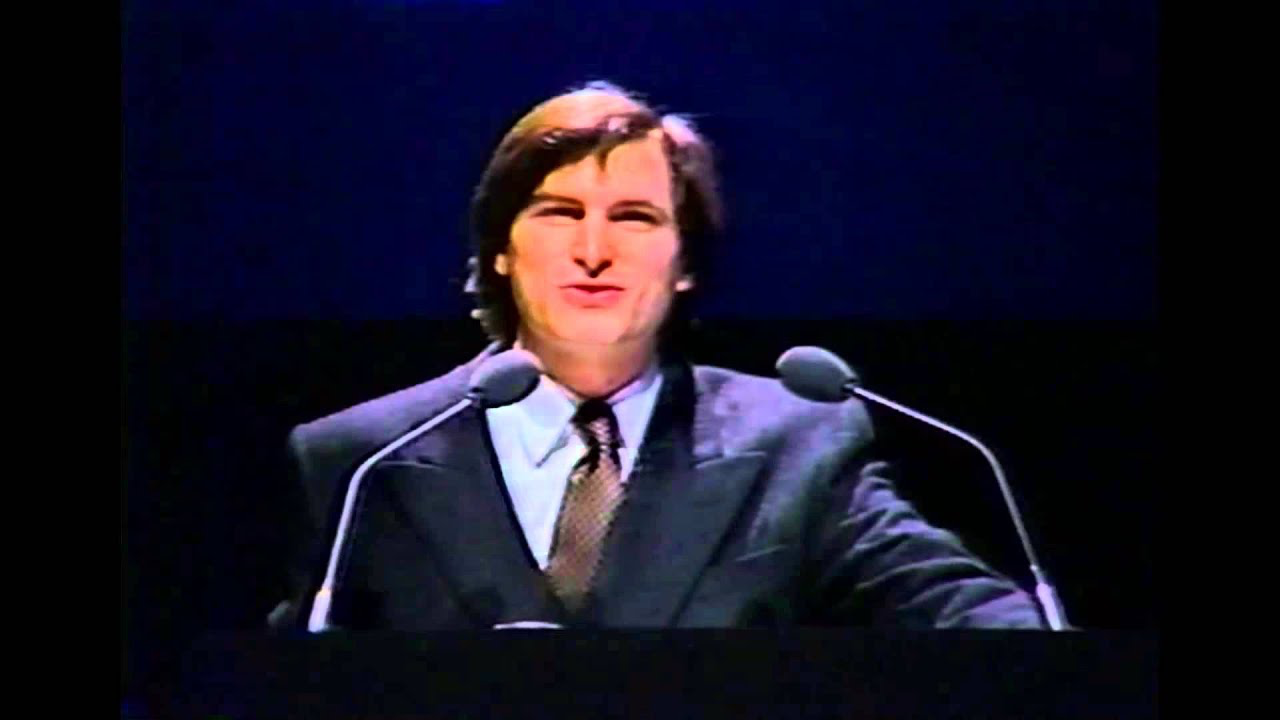
Internal drama defined the era. John Sculley, recruited from Pepsi in 1983 with Jobs’ famous pitch—“Do you want to sell sugar water for the rest of your life, or do you want to come with me and change the world?”—became CEO. Tensions escalated as Sculley prioritized the Apple II while Jobs championed the Macintosh. In 1985, after a boardroom power struggle, Jobs was stripped of operational duties and resigned. Wozniak had already stepped back in 1985 following an airplane crash and disagreements over direction. The Macintosh Office project and infamous “Lemmings” ad alienated customers. By the late 1980s, Apple faced IBM PC clones, Microsoft Windows, and internal disarray. Products like the Macintosh Portable (1989) and various II upgrades kept the lights on, but market share eroded. Revenue grew from $117 million in 1980 to over $5 billion by decade’s end, yet the company was adrift.
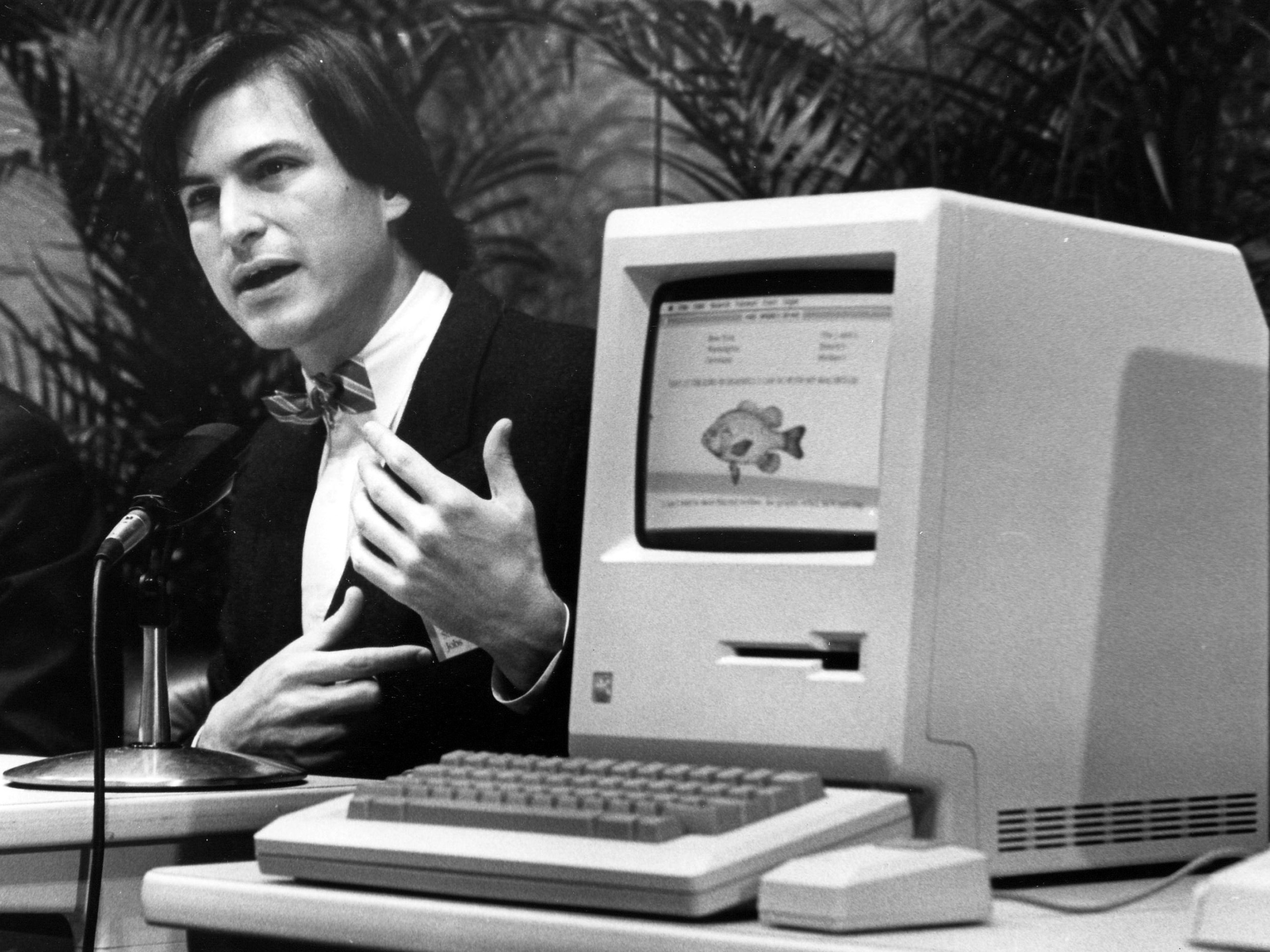
Despite challenges, the 1980s cemented Apple’s cultural cachet. The Mac democratized desktop publishing, empowering artists, writers, and educators. It introduced the world to the mouse, icons, and pull-down menus—foundational elements of modern computing. Apple’s cult-like following emerged, fueled by loyalty that transcended specifications. This decade proved Apple could innovate boldly even amid leadership turmoil, setting the stage for future resilience.
The Wilderness Years: 1985–1997 – Near-Death Experiences and the Seeds of Revival
After Jobs’ departure, Apple navigated a decade of experimentation, missteps, and declining fortunes under CEOs John Sculley (until 1993), Michael Spindler (1993–1996), and Gil Amelio (1996–1997). The Newton MessagePad, launched in 1993 as one of the first personal digital assistants, pioneered handwriting recognition but suffered from poor accuracy and high price ($700+). It became a punchline (“Do you have any more Newton jokes?”) yet foreshadowed tablets and smartphones. The PowerBook laptop line (1991) succeeded in portability, while the Quadra and Performa Macs targeted different segments with mixed results. eWorld, Apple’s early online service, struggled against AOL.
Financially, Apple teetered. Market share plummeted from 20 percent in the mid-1980s to under 5 percent by 1997 as Windows 95 and cheap PC clones dominated. In 1996, the company posted a $69 million quarterly loss. Amelio’s turnaround efforts included acquiring NeXT Software for $429 million in 1996—a deal that brought Steve Jobs back as an advisor. Microsoft’s $150 million investment in August 1997, alongside a commitment to continue Office for Mac, provided a lifeline. Jobs, returning as interim CEO in September 1997, slashed product lines from dozens to a focused few, eliminated the clone market, and launched the “Think Different” campaign featuring icons like Einstein, Gandhi, and Picasso. It was a masterstroke of branding that reminded the world of Apple’s rebellious spirit.
This period, though painful, preserved Apple’s core values. The company avoided bankruptcy through sheer brand loyalty and a shrinking but dedicated user base. It laid groundwork for the digital hub strategy that would define the next era. Employees recall a sense of urgency mixed with hope—knowing that if anyone could save Apple, it was the man who co-founded it.
The Renaissance: 1998–2006 – iMac, iPod, and the Digital Hub Strategy
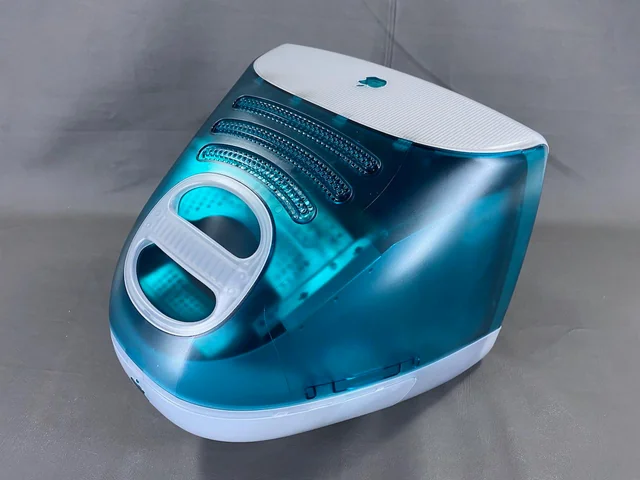
Jobs’ full return in 1997 marked the beginning of Apple’s phoenix-like rise. The 1998 iMac G3—translucent, colorful, all-in-one—sold 800,000 units in its first five months and saved the company financially. Designed by Jony Ive, it reintroduced joy to computing with USB ports and an emphasis on internet connectivity (“Bondi Blue” became iconic). Subsequent models in fruit flavors expanded the lineup.
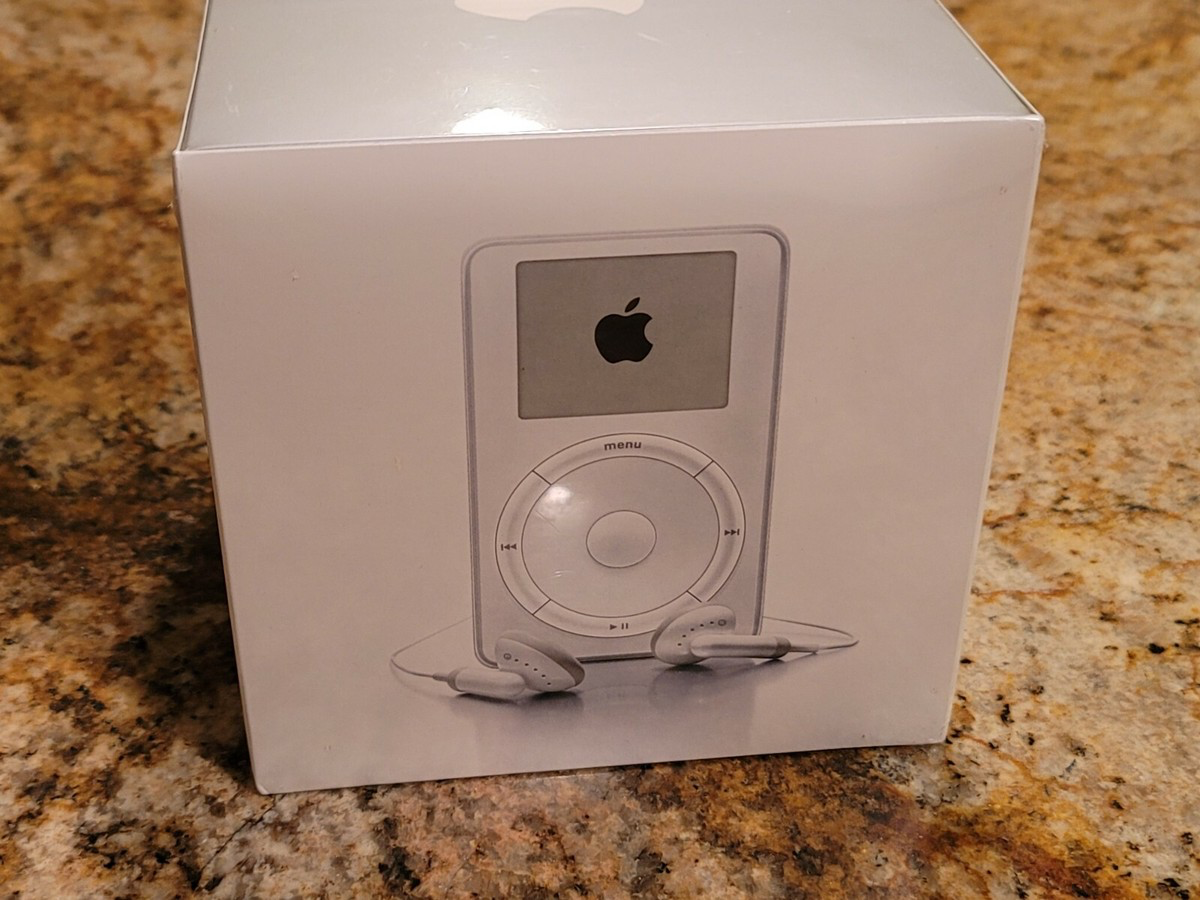
The 2001 iPod, priced at $399 with a 5GB hard drive holding 1,000 songs, revolutionized music. Paired with iTunes (launched 2001), it shifted the industry from physical media to digital. By 2006, over 1 billion songs had been sold via iTunes. Apple Stores, also debuting in 2001, transformed retail into experiential showrooms. The “digital hub” concept—Mac as the center connecting cameras, music players, and phones—unified the ecosystem. Power Mac G4 and G5 towers powered creative professionals, while Mac OS X (based on NeXTSTEP) brought Unix stability and elegance.
Revenue climbed from $5.7 billion in 1997 to $19.3 billion by 2006. Market cap surpassed $100 billion. This renaissance proved design, simplicity, and ecosystem thinking could conquer markets once dominated by commoditized hardware.
Tim Cook’s Leadership: 2011–Present – Scaling Excellence, Services Boom, and Silicon Mastery
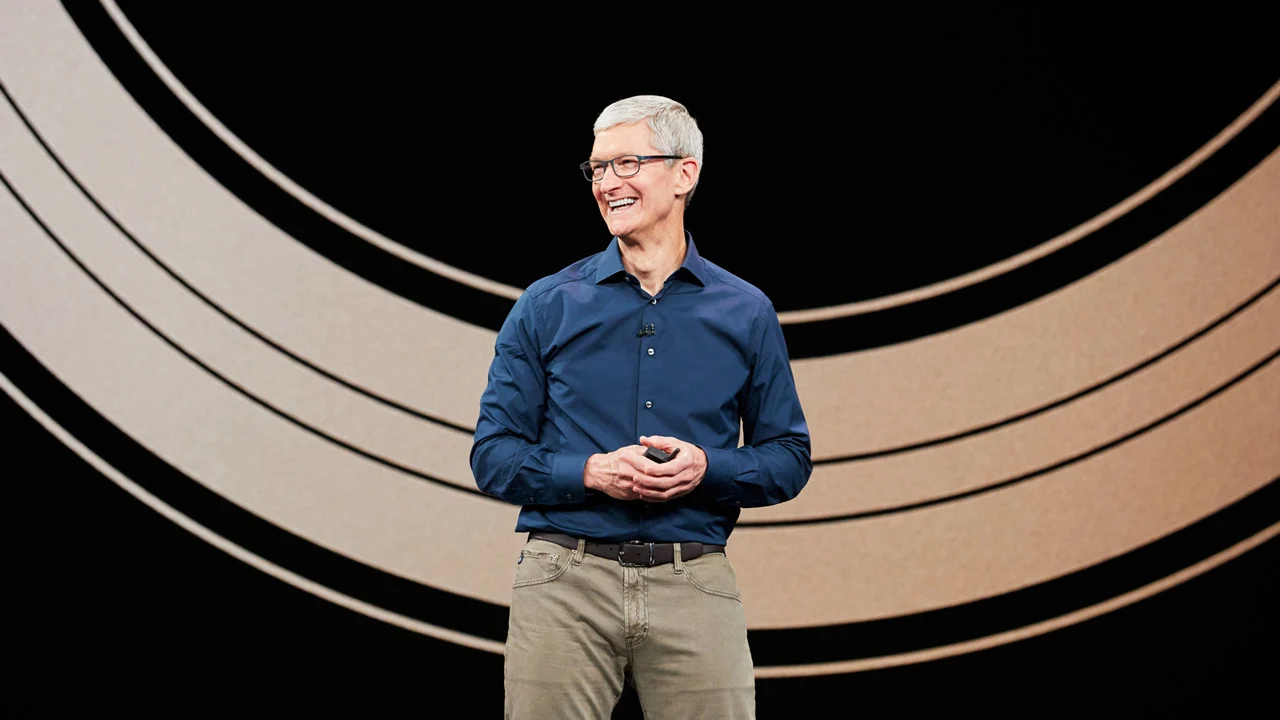
When Steve Jobs stepped down in August 2011 due to health issues and passed away on October 5, 2011, Tim Cook—his longtime COO—assumed the CEO role. Cook, a supply-chain maestro with degrees in industrial engineering and business, focused on operational excellence, international expansion, and diversification. Under his watch, Apple launched the Apple Watch in 2015 (now a health powerhouse with sleep apnea detection and blood oxygen monitoring), AirPods in 2016 (popularizing truly wireless audio), and transitioned all Macs to custom Apple silicon starting with the M1 in 2020—delivering battery life and performance leaps that stunned the industry. Services exploded: Apple Music, TV+, Fitness+, Pay, Arcade, and iCloud now generate over $109 billion annually, with margins far higher than hardware. The App Store ecosystem supports millions of developers and billions in payouts. Privacy features like App Tracking Transparency have become industry standards, while environmental commitments achieved carbon neutrality across operations and target full supply-chain neutrality by 2030.
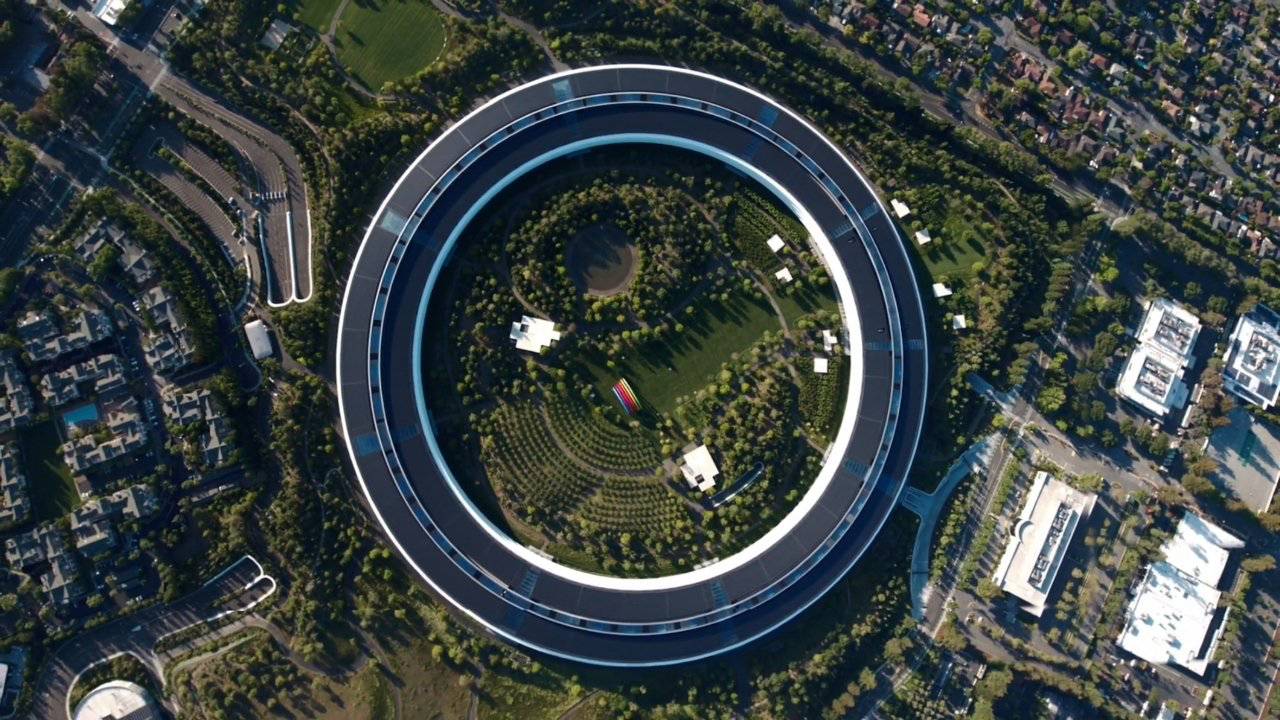
Apple Park, the “spaceship” campus opened in 2017, symbolizes this era’s ambition: 2.8 million square feet of sustainable architecture surrounded by 9,000 trees. Employee count reached 166,000 by 2025, with retail stores exceeding 540 globally.
Cultural, Social, and Global Impact – Beyond Products
Apple’s influence transcends gadgets. It empowered the desktop publishing revolution, birthed the podcasting industry, enabled indie music distribution, and transformed photography into a democratic art form. In education, millions of students learn on iPads. Health features have detected irregular heart rhythms and saved lives. Privacy advocacy has pressured the entire tech sector. Environmental leadership includes 100% renewable energy for facilities and recycled materials in products. The company’s $200 million Racial Equity and Justice Initiative addresses systemic barriers. Globally, Apple Stores serve as community hubs, and the developer program has created economic opportunities in over 200 countries.
Challenges—labor concerns in supply chains, app store policies, and competition—are acknowledged yet met with continuous improvement, reinforcing Apple’s commitment to doing business responsibly.
The 50th Anniversary: A Global Celebration of Creativity and Community
Apple’s 2026 commemorations are as expansive as its legacy. Kicking off March 13 with Alicia Keys at Apple Grand Central, events have spanned continents, featuring Today at Apple sessions, surprise performances, and exhibitions highlighting user stories. Tim Cook’s letter emphasizes: “Every invention we bring into the world is just the beginning of a story. The most meaningful chapters are written by all of you.” The Apple Park finale, employee-focused with possible Paul McCartney performance, caps the month. “Hello Apple” Instagram archives the journey, while special product editions and WWDC 2026 previews hint at the future. These gatherings celebrate not corporate milestones but human potential unlocked by technology.
Looking Ahead: The Next 50 Years of Thinking Different
Apple’s pipeline brims with promise: advanced Apple Intelligence, potential foldable iPhones, next-generation silicon (M5 Ultra, M6), expanded health ecosystems, smart glasses successors to Vision Pro, and robotics explorations. The commitment to the intersection of technology and liberal arts endures. With 2.5 billion devices and growing services, Apple is positioned to define the next era of spatial computing, AI that truly understands context, and sustainable innovation. As Cook notes, “We’re more focused on building tomorrow than remembering yesterday.”
Here’s to the Next Half-Century
From three visionaries in a garage to a company touching billions, Apple’s 50 years embody resilience, creativity, and humanity. To every employee who soldered boards, every developer who coded apps, every customer who “thought different”—thank you. The dent in the universe grows deeper with each passing year.
Happy 50th Anniversary, Apple Inc. The best is yet to come.